How Gutter Installation Helps Prevent Soil Erosion

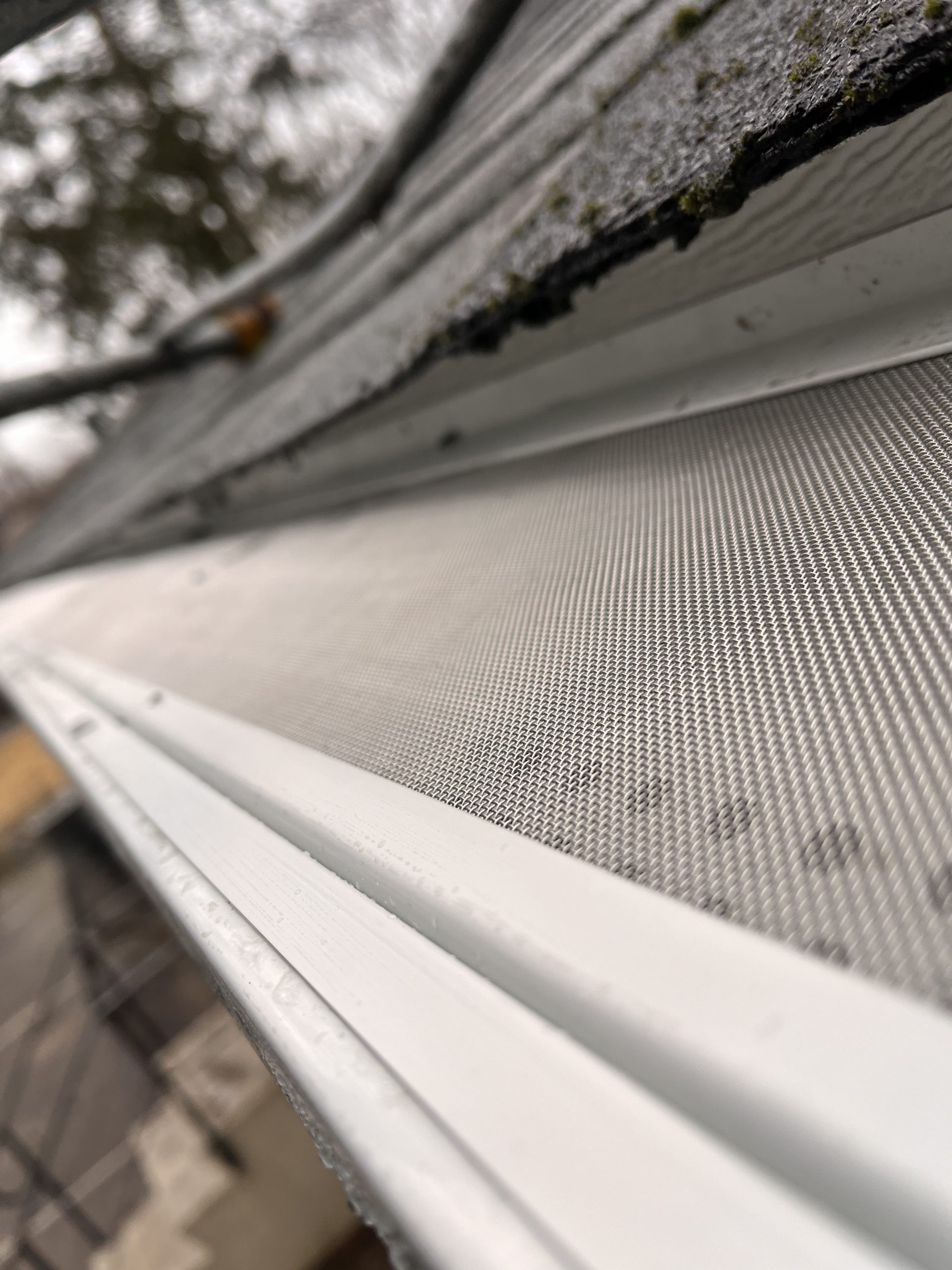
A house sheds more water than most owners realize. Every time it rains, the roof acts like a collection surface, gathering runoff and concentrating it at the edges. If that water is not managed well, it does not simply disappear into the lawn. It lands with force, follows the path of least resistance, and starts moving soil. Over time, that movement can reshape a yard, expose roots, stain foundations, undermine walkways, and create drainage problems that are expensive to reverse.
That is where gutter installation does real work. People often think of gutters as trim for the roofline or as a way to keep rain from pouring over entryways. Those are benefits, but they are only part of the story. Properly installed gutters and downspouts control the direction, volume, and speed of roof runoff. That control matters because soil erosion is not just about water being present. It is about water hitting the wrong place, too fast, too often.
I have seen this play out on properties of every size. A modest ranch home with no gutters can carve trenches beside the foundation within a single wet season if the roof has a steep pitch and the soil is loose. A larger home with long roof sections can dump thousands of gallons into the same corner over the course of a rainy month. Once the ground starts to wear away, the damage rarely stays cosmetic. Drainage patterns shift, planting beds thin out, mulch washes into the driveway, and the house itself becomes more vulnerable.
Understanding how gutter installation prevents soil erosion starts with understanding what unmanaged roof water actually does to the ground.
Why roof runoff causes so much damage
Rain falling directly on a yard is one thing. Rain cascading off a roof edge is another. A roof concentrates water. Even a moderate storm can turn the eaves of a house into a series of controlled waterfalls. Without gutters, that runoff falls in repeated sheets or streams, usually in the same spots every storm.
The first problem is impact. Water striking bare soil breaks apart the surface structure. Fine particles loosen first, then heavier grains start to move. The second problem is volume. A roof can collect runoff from hundreds or even thousands of square feet. The third problem is repetition. The same drip lines get hit again and again, which prevents the soil from stabilizing.
The effects depend on the site, but some patterns show up constantly. On clay-heavy soil, water may pond first, then overflow and scour channels after the surface saturates. On sandy or loamy ground, water often infiltrates faster at first, but intense roof discharge can still hollow out depressions and carry material downhill. On sloped lots, the damage accelerates because gravity adds force to already concentrated flow.
This is why a yard can look fine during dry weather and still be in trouble. Erosion is often gradual until one heavier storm exposes what has been happening for months.
What gutters change at the ground level
Well-designed gutters catch roof runoff before it drops straight to the soil. That simple interception changes several things at once.
First, gutters spread collection along the roof edge instead of allowing water to free-fall at random points. Second, they channel that water into downspouts, which means you decide where the runoff leaves the system. Third, they allow that discharge to be moved away from vulnerable areas, either through splash blocks, extensions, underground drain lines, or dispersal into safe drainage zones.
This matters because erosion is usually a problem of concentration. The less concentrated the flow is at the base of the house, the less likely it is to dig into the soil. Gutter installation does not eliminate water, but it gives you control over where and how that water enters the landscape.
That control can mean the difference between a stable grade and a trench beside the footing. It can mean a planting bed that stays in place instead of washing into the lawn. It can also reduce the amount of sediment that ends up on patios, steps, and driveways after every storm.
The connection between soil erosion and foundation health
Soil erosion around the perimeter of a house is not just a landscaping issue. It often becomes a structural risk if it continues unchecked. When runoff repeatedly strips soil away from the foundation area, it can expose more of the foundation wall, alter the intended grading, and increase the likelihood of water pooling where it should not.
Many homes are built with a slight slope away from the house so surface water drains outward. Erosion can flatten that slope or reverse it in spots. Once that happens, runoff can start moving back toward the foundation instead of away from it. That creates a cycle. Water saturates the perimeter soil, saturated soil becomes easier to displace, and displaced soil further weakens the drainage pattern.
I have walked properties where a missing gutter on one roof section led to a surprisingly specific failure pattern. The corner beneath that section had washed out by just a few inches over time, but that was enough to create a low spot. Every storm fed the low spot. Eventually the owner noticed a damp crawlspace and a crack in the adjacent walkway. The gutter issue looked minor from the street, yet it had already changed the water behavior around the house.
Proper gutter installation helps preserve the grading the builder intended, or at least supports a corrected grading plan if the original site work was poor.
Why downspout placement matters as much as the gutters themselves
A gutter system is only as effective as its discharge points. I have seen beautifully installed gutters fail to prevent erosion because the downspouts emptied too close to the house or into areas that could not absorb the volume.
Downspouts should send water far enough away that it does not loop back toward the foundation or erode the same perimeter soil the gutters were meant to protect. In many cases, that means extensions that carry water several feet away. On some lots, especially those with slopes or compacted subsoil, even that is not enough. The runoff may need to be conveyed underground to daylight at a lower point, into a dry well designed for the soil conditions, or toward a swale that can safely carry flow away.
Placement takes judgment. Sending water to the lowest spot on the property sounds logical until that spot is beside a neighbor’s fence, near a retaining wall, or in a section of yard that already stays wet. Good gutter installation includes a realistic drainage plan, not just hanging channels under the eaves.
Soil types change the erosion risk
Not every property responds to roof runoff the same way. The soil on site determines how quickly water infiltrates, how easily particles detach, and how stable the surface remains after repeated wetting.
Clay soils tend to drain slowly. They can hold water near the surface, which increases runoff and often leads to shallow erosion, muddy splashback, and broad soggy areas near the foundation. Sandy soils drain faster, but they can be displaced more easily by concentrated flow. Loamy soil is often more forgiving, though heavy runoff can still gouge it out when vegetation is thin or slopes are present.
Organic-rich garden beds deserve special mention. They are usually softer than adjacent lawn areas, and they often sit exactly where roof runoff lands. Without gutters, I regularly see mulch scattered, edging displaced, and plant roots exposed in these beds. Owners sometimes respond by adding more mulch, but fresh mulch will not hold if the water pattern stays the same.
Gutter installation is especially important on new landscapes. Recently disturbed soil has not settled fully, and young plantings do not yet have established root systems to anchor the surface. A season of uncontrolled runoff can undo expensive landscape work surprisingly fast.
Sloped lots and the compounding effect of gravity
On flat ground, unmanaged roof runoff may create puddling, splash erosion, and perimeter washout. On sloped lots, the same runoff can become far more destructive because gravity accelerates the flow once it hits the ground.
A downspout that discharges onto a slope without protection can cut a channel in a short time. If that slope leads toward a walkway, patio, retaining wall, or driveway edge, the water carries sediment downhill and deposits it where it creates additional maintenance and safety issues. If the slope leads toward the house, the danger is different but just as serious, because runoff may circle back and saturate the uphill side of the foundation.
In hilly areas, gutter installation should be coordinated with the lot’s natural contours. Sometimes that means more downspouts with smaller drainage zones rather than fewer downspouts handling larger volumes. Sometimes it means tying roof drainage into a broader site plan that includes swales, catch basins, or erosion control planting. The key is to respect how water already wants to move across the property and then manage roof runoff so it does not amplify the problem.
Signs that roof runoff is already eroding your yard
You do not need a major washout to know a property is under stress. Some of the most telling signs are subtle at first, then obvious once you know what to look for.
- Small trenches or grooves below roof edges or downspouts
- Mulch, gravel, or soil displaced after rain
- Exposed roots near the house or in planting beds
- Splash marks of mud on siding, foundation walls, or steps
- Low spots where water stands near the foundation
If two or three of those signs show up in the same area, runoff management deserves a close look. Homeowners often treat each symptom separately, fresh mulch here, extra topsoil there, a quick patch of grass seed, but unless the water is redirected, those repairs rarely last.
Proper sizing is not optional
One of the most common mistakes in gutter installation is underestimating how much water the roof will shed during intense rain. Gutters that are too small or too few downspouts can overflow, and when they do, the system stops protecting the soil below. Overflowing water often pours over the front edge at exactly the points where erosion is already likely.
Sizing depends on roof area, pitch, local rainfall intensity, and the length of each gutter run. A shallow-pitch roof may shed water differently than a steeper one, and a long uninterrupted section can deliver a surprising amount of flow to one end if the slope of the gutter sends everything to a single outlet.
This is where professional judgment matters. Standard residential systems often work well, but not every home fits the standard assumption. A house with large roof planes, valleys that dump into a small section of gutter, or a history of overflow may need larger gutters, additional downspouts, or revised outlet placement. Soil erosion sometimes persists not because gutters are absent, but because the installed system is overwhelmed during real storms.
The role of maintenance in erosion prevention
Even the best gutter installation loses effectiveness if the system is clogged or damaged. A gutter full of leaves and roof granules cannot carry water properly. Instead, it spills over the sides, sometimes in concentrated sheets. A disconnected downspout can dump all collected water at the foundation. A section with poor pitch may hold standing water until the next storm forces overflow.
Maintenance is not glamorous, but it is central to erosion control. In practice, that means periodic cleaning, inspection after major storms, and checking whether discharge points are still doing their job. Splash blocks shift. Extensions get knocked loose by lawn equipment. Underground drains can clog with sediment or roots. Any of those failures can put runoff right back into the areas you were trying to protect.
I usually tell owners to pay attention after the first strong rain following any gutter work. Do not assume the system is performing just because it looks straight from the ground. Watch where the water goes. If a downspout outlet is carving a channel, the system needs adjustment. If one gutter spills over while the rest stay quiet, there may be a https://thornex24.gumroad.com/p/how-to-tell-if-your-last-gutter-installation-was-done-right blockage or sizing issue. Water tells the truth quickly when you take the time to observe it.
Gutters work best with other site drainage measures
Gutters are powerful, but they are not a cure-all. If a property already has poor grading, compacted soil, or an undersized drainage path, gutter installation should be seen as one part of a broader solution.
For example, if water leaves a downspout correctly but lands in an area that slopes back toward the house, the grading problem still needs correction. If a yard is bare and heavily compacted, runoff may still move quickly across the surface even after gutters reduce the concentration at the roof edge. If a retaining wall has no drainage relief behind it, redirecting roof water nearby may create pressure that shows up elsewhere.
That said, gutters are often the first and most effective step because they reduce the amount of uncontrolled water entering the equation. Once roof runoff is captured and directed, it becomes much easier to evaluate the remaining site conditions honestly.
There is also a practical cost benefit here. Regrading a yard, rebuilding planting beds, or repairing hardscape after erosion has advanced is almost always more expensive than installing or upgrading gutters early.
Materials and design details that affect long-term performance
The material of the gutter itself does not directly prevent erosion, but it does affect durability, leak resistance, and maintenance demands. Aluminum is common because it balances cost, rust resistance, and performance. Steel can be strong, though it may require more attention over time depending on the finish and climate. Copper lasts well and looks distinctive, but it is usually chosen for architectural reasons and budget is a different conversation.
Seamless gutters often outperform sectional systems in leak reduction, especially on longer runs. Fewer joints mean fewer weak points where water can escape and drip onto the soil below. Hangers and fastening methods matter too. If gutters pull away from the fascia under load, the resulting overflow can create erosion problems very quickly.
Downspout terminations deserve equal attention. A short elbow ending right at the base of the wall may satisfy the idea of a drainage path, but it rarely solves the erosion risk. A proper extension or drain connection is usually where the real protection begins.
When gutters alone will not solve the problem
There are edge cases where gutter installation helps but does not fully stop erosion. Very steep lots, highly erodible soils, properties with large impervious surfaces, and sites receiving uphill runoff from neighboring land may need more comprehensive drainage engineering. In those situations, gutters control roof water, but the landscape may still need terraces, swales, French drains, retaining structures, or dense groundcover to stabilize the soil.
I have also seen situations where owners installed gutters expecting immediate relief, only to discover the deeper problem was an irrigation leak, a broken underground drain, or a grade that had settled badly over the years. Gutters are excellent at managing what falls on the roof. They cannot fix every water source on the property.
Still, even in complicated cases, capturing roof runoff usually improves the odds of success for every other drainage measure.
What homeowners should expect from a good installation
A well-executed gutter installation should do more than look neat along the fascia. It should match the roof’s water load, drain consistently, discharge away from vulnerable soil, and integrate with the site conditions around the house. After installation, you should notice less splashback on siding, fewer muddy areas beside the foundation, and more stable planting beds after storms. Over time, you should also see less settlement and fewer signs of washout along walkways and corners.
The best results come when the installer treats the job as water management, not metal placement. That means asking where the downspouts will empty, how the yard slopes, what happens in heavy rain, and whether current erosion marks reveal an existing pattern that needs correction.
When those questions are taken seriously, gutters become one of the most practical defenses a home has against soil erosion. They protect more than the roof edge. They protect the ground the house stands on, the landscape around it, and the drainage balance that keeps small stormwater issues from turning into major repairs.
Just Gutters LLC
Address: 262 Main St, Hackettstown, NJ 07840
Phone number: +12013319454
FAQ About Gutter Installation Hackettstown
Can I install a gutter myself?
Yes, you can install gutters yourself. DIYers typically use aluminum or vinyl sections from home improvement stores. The project requires basic tools, precise measuring, and comfort working on ladders. Key steps include snapping a chalk line for a slight slope (1/4 inch per 10 feet toward downspouts), securing hangers every 2 feet, and caulking all joints securely.
How much does body contouring usually cost?
The Home Depot typically charges between $1,000 and $3,600 for a standard professional gutter installation on a typical single-family home with 200 linear feet of gutters. Calculated on a per-foot basis, the cost usually ranges from $5 to $18 per linear foot, highly dependent on the material you select.
How much does a 40 ft seamless gutter cost?
A 40 ft seamless gutter run will cost between $240 and $1,120+ fully installed, depending on the material you choose. Because seamless gutters require specialized on-site fabrication machines, they are rarely sold as DIY kits and are priced per linear foot.